
Nau mai ki Te Wānanga o Raukawa
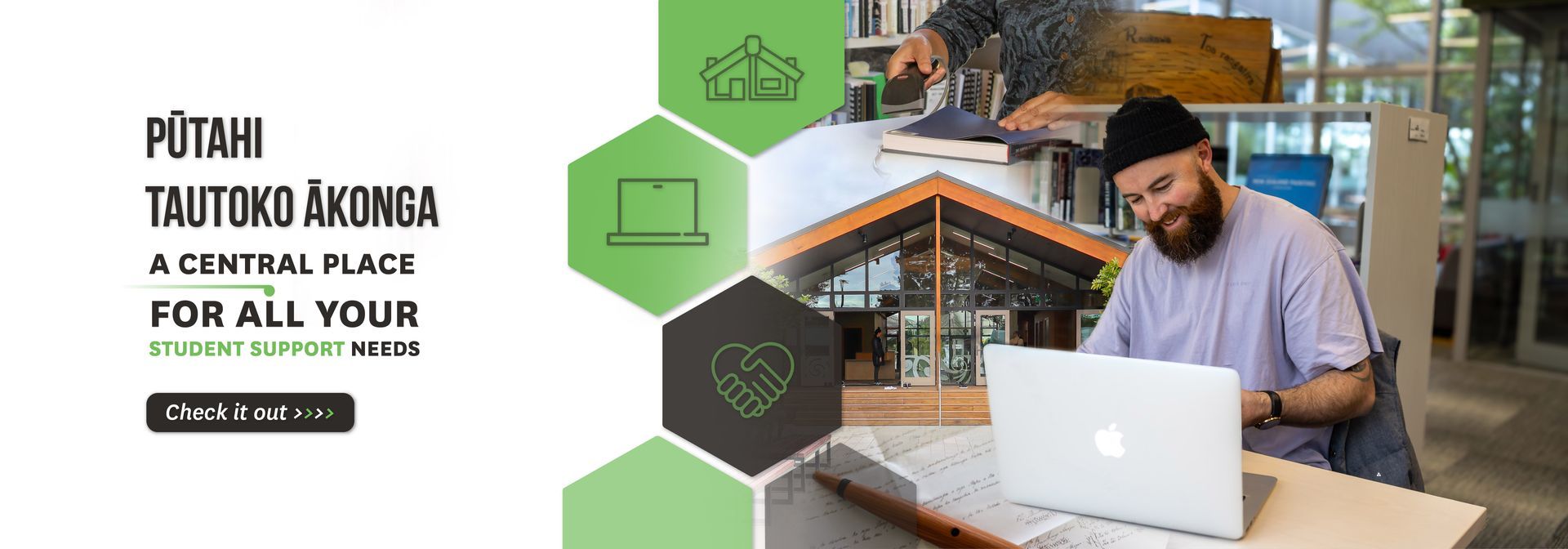
Have you always dreamed of getting a degree or completing your masters but can’t because of time constraints, family commitments or a full time job? Te Wānanga o Raukawa is the place for you. Get a better study, work and lifestyle mix to achieve your academic aspirations through our blended learning approach. Our comprehensive distance learning programmes are complemented by online courses and unique Māori ‘noho’ style residential stays.
The ‘noho’ approach frees you up from having to physically attend classes on a daily basis, so you can carry on with normal life while working towards your qualification and new career. The ethos of whanaungatanga is at the heart of every residential noho where the aim is to provide a comfortable, safe and nurturing environment that supports a distinctively Māori way of learning.

why study with te wānanga o raukawa?
find the right QUALIFICATION for you
Certificate, Diploma, Undergraduate Degree,
Postgraduate Diploma, Master's Degree
View the prospectus to learn about the courses
available to study at Te Wānanga o Raukawa
Prepare now for 2025, check out the range of scholarships available
he pitopito kōrero