
FROM DOUBT TO DETERMINATION
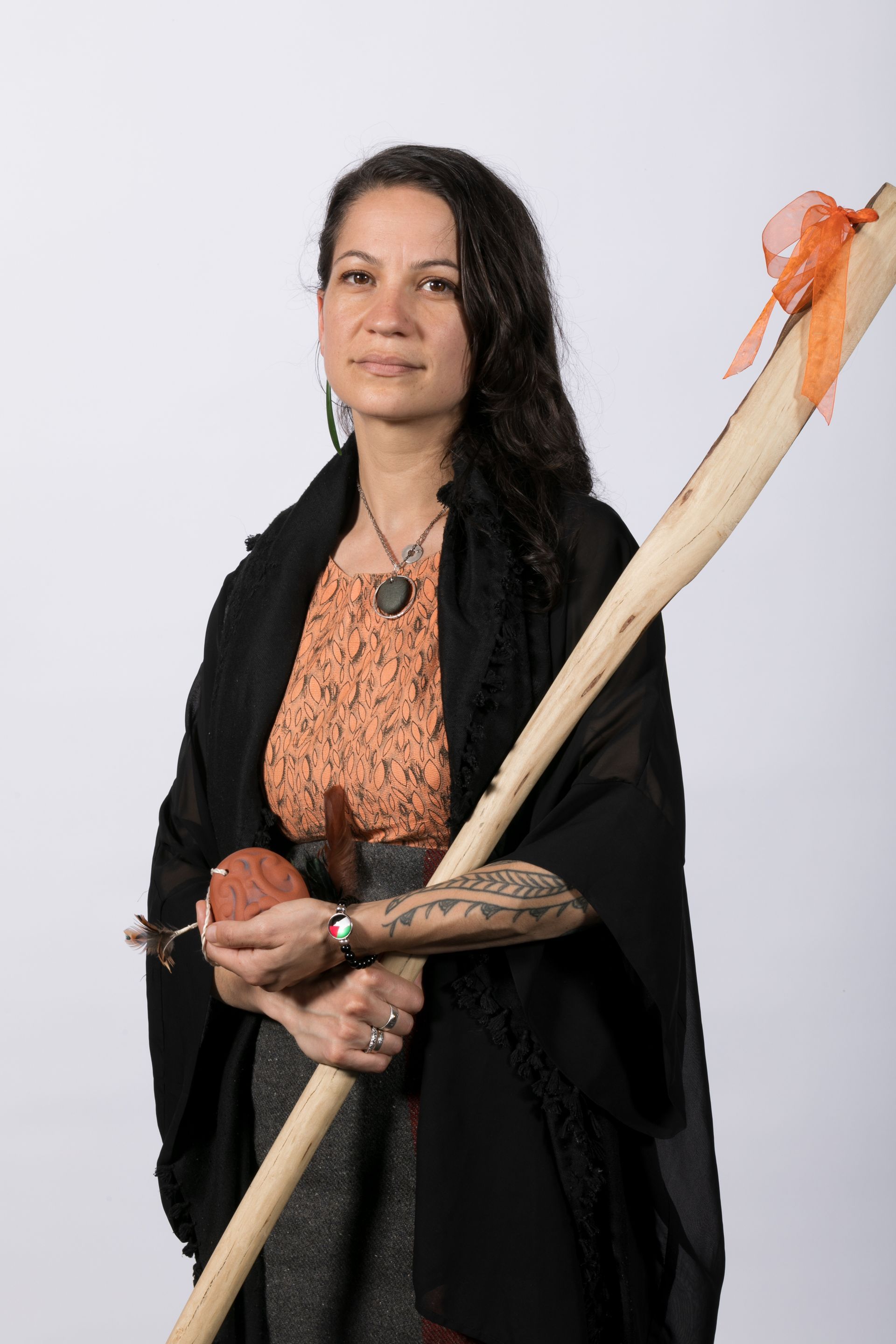
Photograph of Keita Newbery taken following her graduation from the Heke Kaitiakitanga Pūtaiao - Diploma in Kaitiakitanga Pūtaiao in 2024
14 May 2026
KEITA BETHANY TE OWAINA NEWBERY
TŪHOE, NGĀTI POROU
Māmā, Gardener, Caregiver, Photographer, and Student
2026 Year 3 Student, Poutuarongo Kaitiakitanga Pūtaiao - Bachelor of Environmental Management
Keita lives in Lyttelton, where she grew up alongside her four brothers and sister. She has a teenage son who means the world to her. He attends Kura Kaupapa Māori in Christchurch. She loves that he learns within a te ao Māori environment. Her partner is a constant source of support, encouraging her in both life and study.
As an aunty to many nieces and nephews, Keita enjoys speaking te reo Māori with them, and for the ones who don’t, she hopes to create fun and welcoming reo classes, sharing her passion and showing them that it’s never too late to begin or continue learning.
Keita is most connected to her iwi of Tūhoe. About seven years ago, her mother returned to Ruatāhuna, and it is through her that Keita has been able to make the connections to the people and land of Tūhoe. Her whānau from Ruatāhuna now recognise her and know who she is. She is also Ngāti Porou and hopes to explore this side of her in the future.
Her creative expression comes through photography, with much of her work reflecting the state and beauty of the taiao. She is preparing for her first exhibition, Hawaiki Āpōpō, alongside two wāhine Māori artists. The exhibition opens at the Blue Oyster in Dunedin in June, runs for three months, with the possibility of travelling to other locations.
Keita’s study journey has taken time to unfold. Around nine years ago, she began studying but wasn’t in the right space to continue. Despite this, she always felt a strong desire to contribute positively to the environment and wanted to finish each week knowing she had made a difference. After searching online for “environmental studies Māori,” she discovered Te Wānanga o Raukawa and the Kaitiakitanga Pūtaiao course. In 2024, she returned and was warmly welcomed back, which felt like a second chance. Initially, she saw herself as more of a “ngahere girl,” interested in trees and birdlife. Through her studies, however, she has developed a strong passion for freshwater ways and the concept of te mana o te wai. She describes her learning as “beautiful,” as it allows her to contribute both to her people and to the taiao.
Her studies in te reo Māori, iwi and hapū, and kaitiakitanga pūtaiao have had a positive impact on her life. They have taken her back to Ruatāhuna, where she has reconnected with whānau and gathered knowledge for her assessments. She feels doors have continued to open for her.
At her marae, she is especially passionate about restoring nearby wetlands that are currently in poor condition. Her coursework has focused on this kaupapa, and she hopes to bring her research back to her hapū to inspire collective action. With elders remembering when the puna once ran clear and pristine, she sees this as a long-term commitment to both her people and the environment.
Keita shares a vision with her mother around caring for the land, including food sovereignty, food forests, and self-sufficiency. Together, they hope to work with others in their hapū to restore the wetlands. The ngahere has always been a healing space for Keita, a place where she feels grounded and at peace.
Her studies have brought many rewarding experiences, particularly at hui rumaki, where she has enjoyed learning alongside others and building confidence in te reo Māori. She treasures the opportunity to learn and sing mōteatea, something she hadn’t experienced before. Through this journey, she feels she has awakened parts of her taha Māori that had been dormant. Returning to her marae, gaining a deeper understanding of her history, and receiving positive feedback on her work have all strengthened her confidence.
There have been challenges, including self-directed learning, travelling from Lyttelton to campus, academic writing, and moments of self-doubt. Despite this, she has persevered and is now just seven months away from graduating.
Keita strongly recommends the course to others, especially Māori interested in working in the taiao space. She believes even those who have studied elsewhere would benefit from the experience at Te Wānanga o Raukawa. She finds inspiration in learning alongside others who are committed to protecting the environment. Her advice is simple: don’t give up, ask for help when needed, believe in yourself, and stay committed to your goals.
I orea te tuatara ka patu ki waho
(A problem is solved by continuing to find solutions. Meaning: This emphasises perseverance, creative thinking, and overcoming obstacles through grit.)
If you would like to know more about Poutuarongo Kaitiakitanga Pūtaiao - Bachelor of Environmental Management, visit our website
