
NURTURING TAMARIKI THROUGH KAUPAPA MĀORI EDUCATION
20 Āperira 2026
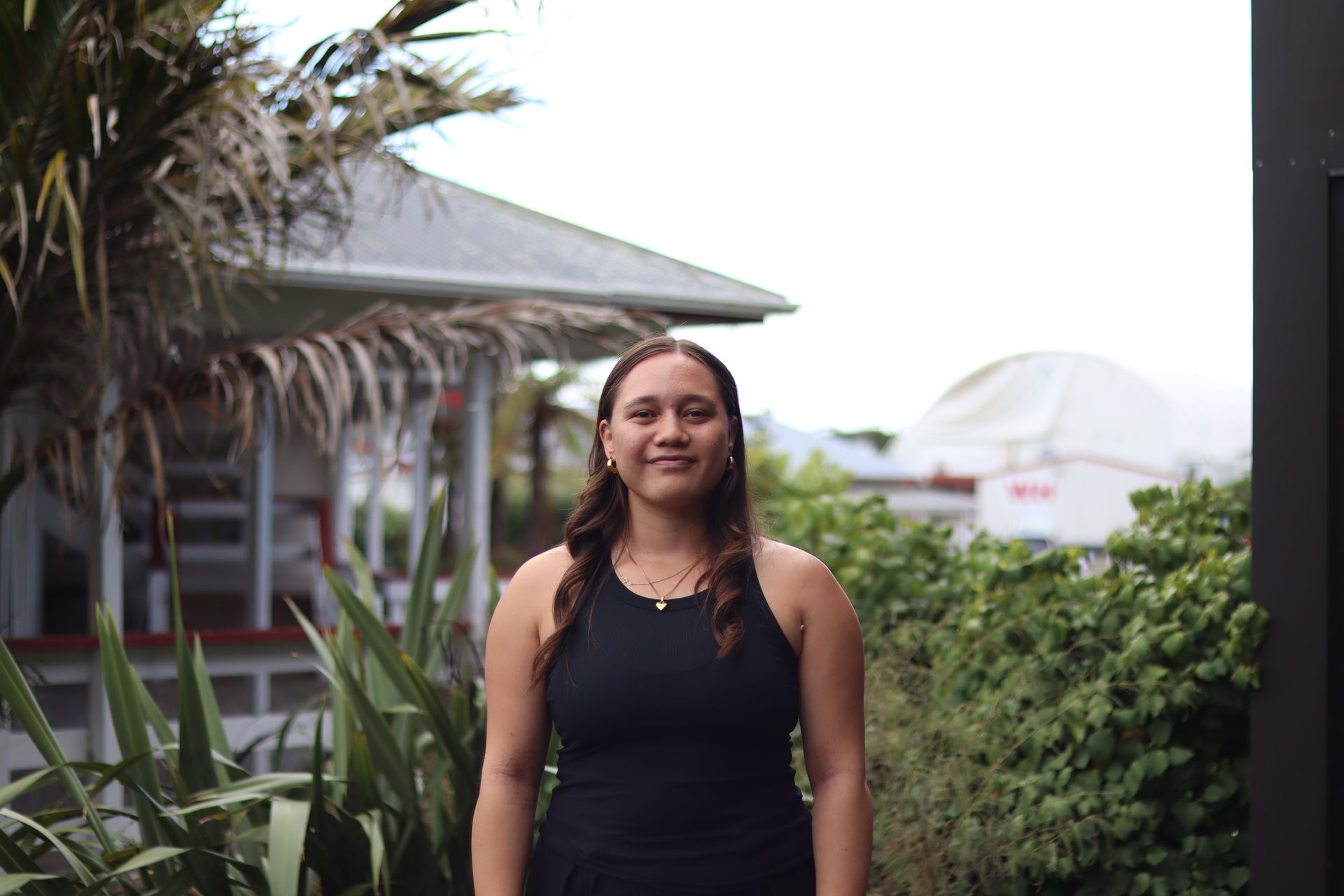
ALIZE WHIA NGAPARAHE MARINO APERA-NGAHA
Ngāti Rārua, Ngāti Mahuta
Ākonga, Poutuarongo Whakaakoranga Kōhungahunga - Bachelor of Teaching (Early Childhood)
Kaiako, Te Kōhanga Reo o Raukawa
Ko Alize Whia Ngaparahe Marino Apera-Ngaha tētahi kaiako i Te Kōhanga Reo o Raukawa, ā, kua tata ki te whā tau ia e mahi ana ki reira. Kia tāpiri atu ki tana tūranga wā kikī, e whai hoki ana ia i te tohu Poutuarongo Whakaakoranga Kōhungahunga – Bachelor of Teaching (Early Childhood), ā, kua eke ia ki tōna tau tuatoru, arā, ko te tau whakamutunga o te hōtaka rā.
Ko te aroha pūmau o Alize ki ngā tamariki te tino pūtake o tana tomo atu ki te ao mātauranga kōhungahunga. I a ia e tipu ake ana, he kaimanaaki tōna māmā i te tohu, i te ao kōhungahunga anō hoki. Koia tētahi tino whakaawenga mō Alize. Nō tōna tamarikitanga, ka whai wāhi atu ia i roto i te ao o te tauira whare wānanga me te ao mātauranga. E mau tonu ana ia ki ngā maharatanga hirahira i te wā o ngā akoranga a tōna māmā. Ko te whai wāhi atu ki ngā mahi ā-ringa pēnei me te mahi uku. Nā ngā whēako i aua tau timatanga, ka muramura te ngākau hīkaka, ka tupu te hiakai a Alize ki te whai i te huarahi o te mātauranga. Mai i te kōkiritanga o te tohu nei, kua kitea e ia he huarahi whai hua, he huarahi whai oranga anō hoki.
Ko tētahi manu tuauru nui o Alize mō ngā rā kei tua, ko tana whakatū mai i tētahi kōhanga reo. E kite ana ia i te hiahiatia o te kōhanga reo i roto i te hapori. E kōingo ana tōna ngākau ki te whakatū i tētahi whare kōhanga, e tautoko ana i ngā manako o te hapori.
Ka tae ana ki ngā whēako whakaako, ka whakatauria e Alize ka puta ia ki tētahi whare kōhungahunga, arā, ko te Early Childhood Education Centre i te reo Pākehā. Ahakoa he rerekē rawa atu ngā whakahaerenga, he wheako motuhake tērā mōna. I mārakerake te kite i ngā hua pai hei kapo atu mōna, ka mutu, he wheako pārekareka anō hoki. I tipu ake ia i roto i te mātotorutanga o te reo Māori, koia tōna reo tuatahi. I kuraina a Alize ki te kura kaupapa Māori o Mana Tamariki, nō reira he ao anō, he whēako hou mō te taha ki te tū o te kaiako, me te taera poipoi i te mokopuna. Nā konei i whānui ake ai tōna māramatanga ki ngā tini tikanga whakaako kōhungahunga.
I roto i ngā akoranga, kua rangahautia e Alize te tino whai hua o ngā kaiariā me ngā tohunga mātauranga mō te taha ki te huarahi o te tiaki i ngā tamariki. E whakapono ana ia e pakari ana tōna tūāpapa mātauranga, ā, e hīkaka rawa ana ia ki te whakatinana i ngā hua o ngā rangahau, ka whiua ai ki te ao.
I tupu ake a Alize ki Te Papaioea, ā, tokorua ōna tungāne, tokorua ōna tuakana, kotahi tōna teina. I kuraina ia ki Te Kura Kaupapa Māori o Mana Tamariki mai i te kōhanga reo tae rawa atu ki te wharekura. E whā tau ki muri, ka hūnuku mai ia ki Ōtaki kia noho tahi ai rāua ko tana hoa rangatira. Kāore ā rāua tamariki i tēnei wā.
I ngaro te reo Māori i roto i tōna whānau whānui, ā, ko ōna tuakana, ōna teina, me tōna māmā te hunga i tōna whānau e kōrero Māori ana. Ko te whakatau o tōna māmā kia kōrero Māori anake ki āna tamariki, kia whakatupuhia rātou i roto i te reo Māori me ōna tīkanga. Nā tēnei whakataunga o tōna māmā i pakari ake ai te ū o Alize ki te whakarauora i te reo Māori.
Ko ētahi o ngā mahi pārekareka ki a Alize, ko te noho tahi ki tana hoa rangatira. Kua whai wāhi hoki ia ki te kapa netipōro mō te karapu o Rāhui, te whare kori tinana o Ngā Purapura anō hoki. I ōna wā wātea, he pai ki a ia te tunu kai, te tuitui kākahu, me te whatu wūru i te wā o te hōtoke. Kāore he mahi i tua atu i te tiaki tamariki, e toro atu ana tōna aroha ki ngā tamariki ki tua i ngā hāora mahi. He ātaahua te kite atu i te ngākau pono, i tō rātou hātekēhi, me ngā tini kare ā-roto ka whakapuakihia e rātou. He pai ki a ia te noho pukumahi, enagri he wā ōna ka rongo i te uaua ki te whakataurite i ngā mahi katoa.
I muri i tana wehenga i te kura, e rua tau ia e whai ana i te ara o te ao pakeke, kātahi anō ka uru ki te hōtaka ako. E whakapono ana ia he whakataunga hirahira tērā, nā te mea i kuhu māia, i kuhu pakari atu ia ki te tohu. He ngākau nui tōna ki tēnei mea te ako, ā, e whanake ana ia i roto i tōna taiao ako.
Ko ētahi o ngā tino piki o tana haerenga ko te noho tahi ki ngā tamariki, te rangahau e whai hua ai tōna whānau, me te whakapiki tonu i tōna mātauranga mō te anamata o ngā tamariki. E mōhio hoki ana ia, ā tōna wā ka whai tamariki ake ko ia, ā, kua whakaritea te tūāpapa nā āna whēako, me tōna mātauranga, arā, te tiaki me te whakaako tamariki.
Ko tētahi o ngā wero nui i pā ki a Alize, nā te tuaruatanga o te reo Pākehā ki a ia, ko te rangahau i ngā kaupapa i tuhia ki te reo Pākehā. Nā te nui o ngā tuhinga mātauranga kei te reo Pākehā, tērā, i te reo Māori, kua whakapau kaha ia ki te whakapiki i tōna māramatanga ki te reo Pākehā. I roto i ēnei wero katoa, i rongo ia i te aroha, i te tautoko, me te manaaki o ngā pūkenga me ngā kaimanaaki o te tohu.
E tino taunaki ana a Alize i te tohu o Poutuarongo Whakaakoranga Kōhungahunga ki a Ngāi Pīkoko, ā, ko tāna, he wāhi pai tēnei hei whakawhānui i te mātauranga, hei whakatupu hoki i te tangata kia tū hei kaiako e wawatatia ana. Ko āna kupu akiaki ki ētahi atu ākonga:
“Kaua e mataku ki te tono āwhina, ā, kia mau ki te aka matua, kei warewaretia tō tino kaupapa – mō ā tātou tamariki, mō ā tātou mokopuna.”
Hei te anamata, e hiahia ana a Alize kia kaha ake te kitea o te reo Māori ki roto i te hōtaka, kia whakapakari tonu ai te mātauranga kaupapa Māori mō ngā reanga e pihi ake nei.
Poipoia te kākano kia puāwai.
ALIZE WHIA NGAPARAHE MARINO APERA-NGAHA
Alize Whia Ngaparahe Marino Apera-Ngaha has been working as a kaiako at Te Kōhanga Reo o Raukawa for around four years. Alongside her mahi, she has been studying full-time towards the Poutuarongo Whakaakoranga Kōhungahunga – Bachelor of Teaching (Early Childhood) and is currently in her third and final year of the programme.
Alize’s love for tamariki has always been at the heart of her journey into early childhood education. Growing up, her mother was a pūkenga for as long as she can remember, which greatly influenced her path. From a young age, Alize was surrounded by learners and kaupapa Māori education. She fondly recalls being in classes with her mum and getting involved in hands-on activities such as working with uku (clay). Those early experiences sparked her excitement and motivation to one day become a student herself. Since beginning her studies, she has found the journey both rewarding and fulfilling.
One of Alize’s aspirations for the future is to establish her own kōhanga reo. She sees the growing demand for kōhanga reo within the communities and hopes to contribute by creating a taiao ako for tamariki and whānau.
As part of her studies, Alize chose to complete her placement at an Early Childhood Education centre. Although it was very different from what she was used to, it proved to be an eye-opening and enjoyable experience. Growing up with te reo Māori as her first language, teaching at Te Kōhanga Reo o Raukawa and attending kura kaupapa Māori, the placement allowed her to see different approaches and ways of working with tamariki.
Throughout her studies, Alize has learned about a range of educational theorists and childcare approaches. She feels confident that she has gained strong knowledge of best practices in early childhood education and enjoys applying what she has learned in her daily work with tamariki.
Being raised in Palmerston North, Alize is one of six siblings. She attended Te Kura Kaupapa Māori o Mana Tamariki from kōhanga reo through to wharekura. Four years ago, she moved to Ōtaki to be with her partner, who is from the area. They do not have children yet.
Like many whānau, te reo Māori was disrupted within Alize’s wider whānau due to colonial processes. Te reo reclamation has been a considerable part of her upbringing. Her mother chose to speak te reo Māori to her tamariki and raise them speaking te reo. This has further strengthened Alize’s commitment to te reo Māori and kaupapa Māori education.
Outside of her mahi, Alize enjoys spending time with her partner. She also plays netball for the local Rāhui club, enjoys going to the gym at Ngā Purapura, and spends her spare time cooking, knitting, and sewing. She often takes care of children after kōhanga hours for whānau who seek Māori language speaking care givers. Her love for tamariki extends beyond her work hours. She enjoys the honesty, humour, and the wide range of emotions that tamariki bring into her life. While she enjoys staying busy, she does find it challenging at times to balance all of the important kaupapa in her life.
After leaving kura, Alize took two years to navigate adulthood before enrolling in her studies. She is grateful for that time, as it allowed her to feel ready and confident when she began the programme. She has a genuine love for learning and values the personal growth she has experienced through study.
Some of the most rewarding aspects of her journey include working closely with tamariki, conducting research that benefits her whānau, and continuing to build knowledge for the future. She also appreciates knowing that when she has her own tamariki one day, she will already have a strong understanding of child development and how to apply this knowledge in practical terms.
One of the main challenges Alize has faced is completing research in English, as English is her second language and ideally, there would be more resources available in te reo Māori to support her rangahau aspirations. While much of the available information is in English rather than te reo Māori, she has steadily built her English language skills. Throughout these challenges, she has felt calm, supported, and uplifted by the pūkenga and kaimanaaki of the programme.
Alize would wholeheartedly recommend the Poutuarongo Whakaakoranga Kōhungahunga programme to others, describing it as an ideal place to broaden knowledge and grow as a learner. Her advice to other students is simple but powerful:
“Don’t be afraid to ask for help and always remember why you are here – it’s for our tamariki and mokopuna.”
Looking ahead, Alize would love to see the programme incorporate even more te reo Māori.
Poipoia te kākano kia puāwai
If you would like to know more about the Poutuarongo Whakaakoranga Kōhungahunga programme, go to Poutuarongo Whakaakoranga Kōhungahunga - Bachelor of Teaching (Early Childhood)
