
Te Whare Manaaki Whenua explores the environmental sciences of our tūpuna through maramataka, biochar and māra kai
Mā te mōhio ka mārama, mā te mārama ka mātau, mā te mātau ka ora.
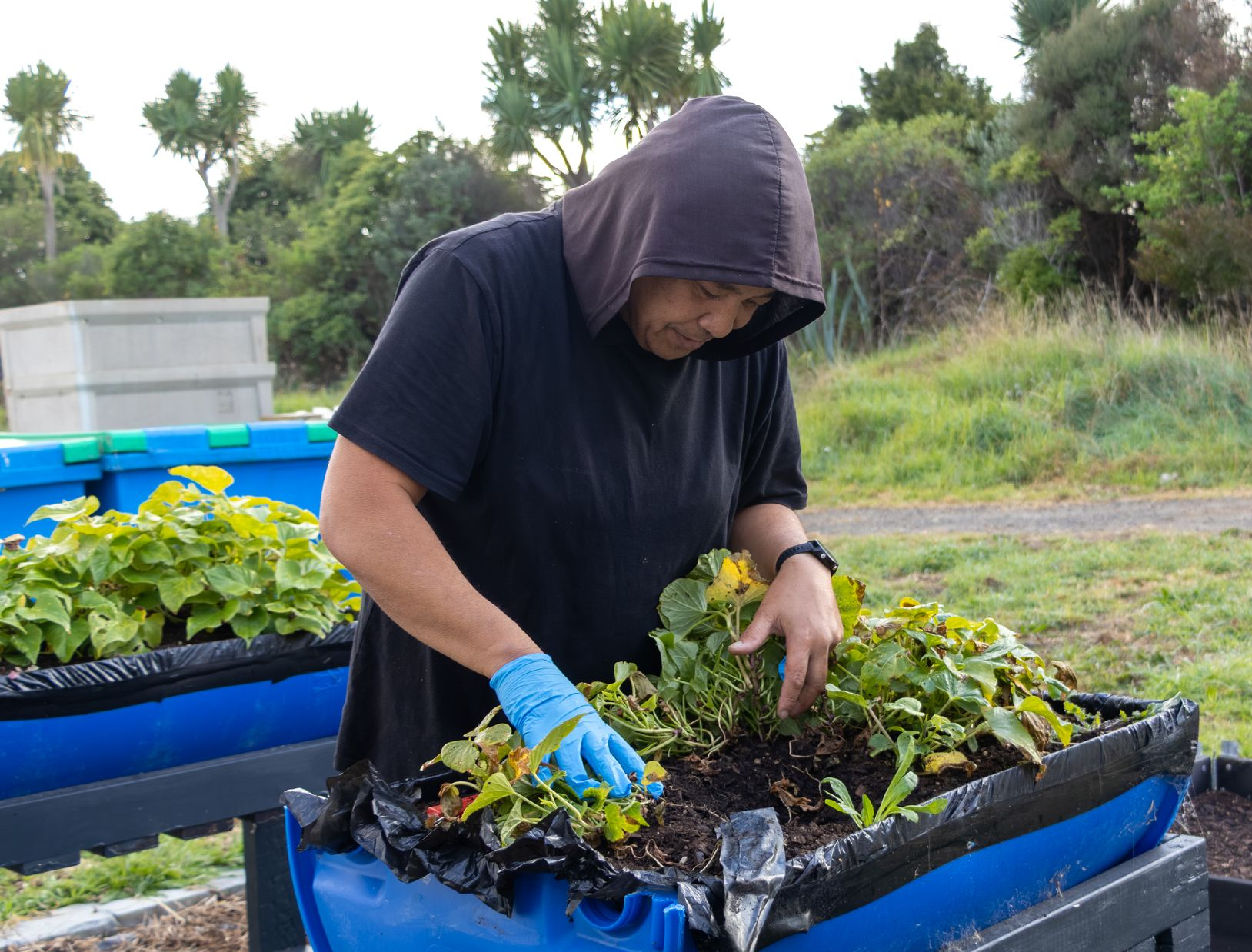
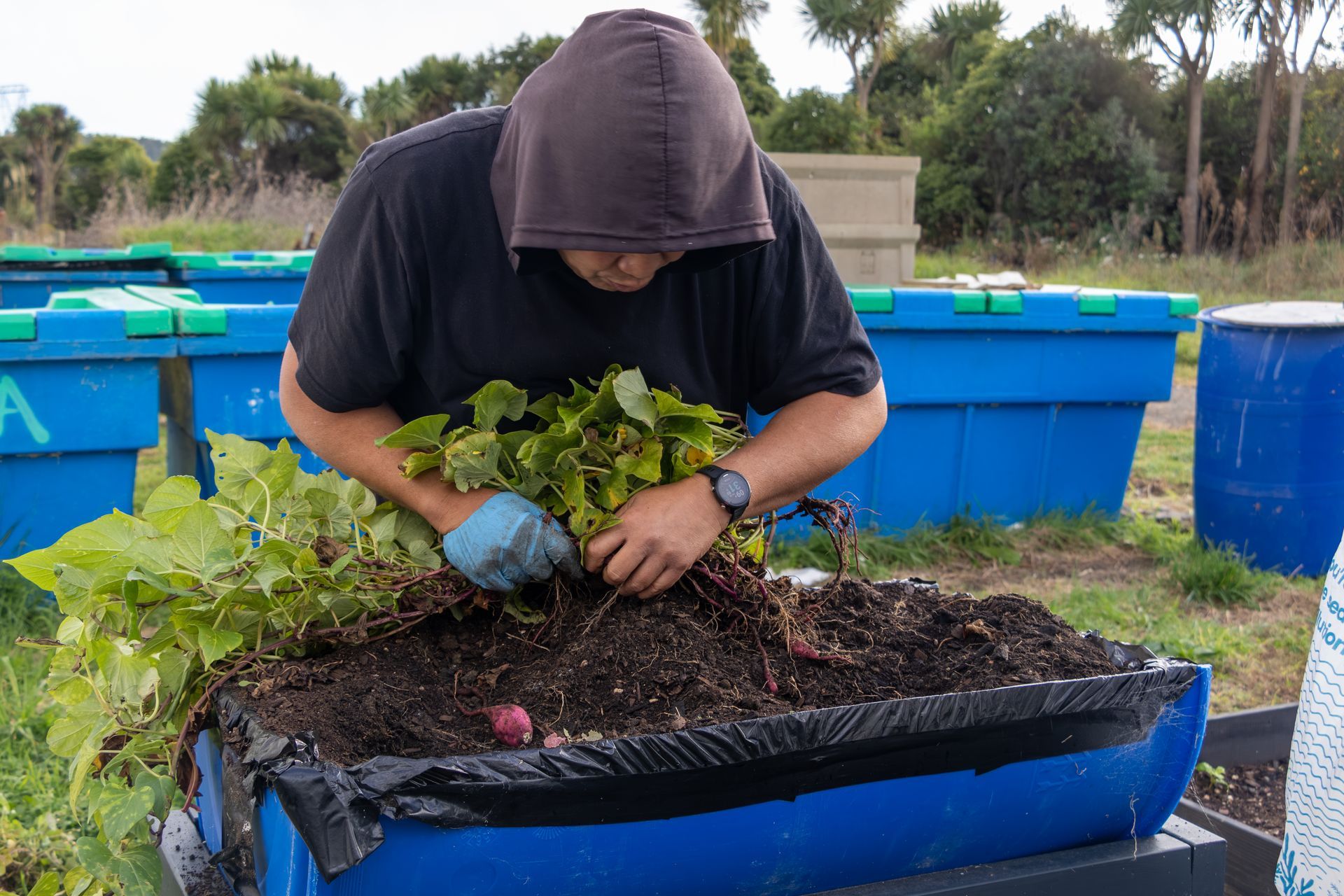
Before the kūmara were lifted from the whenua, Chris Wilson stood watching the morning sky waiting for the arrival of Tamanuiterā.
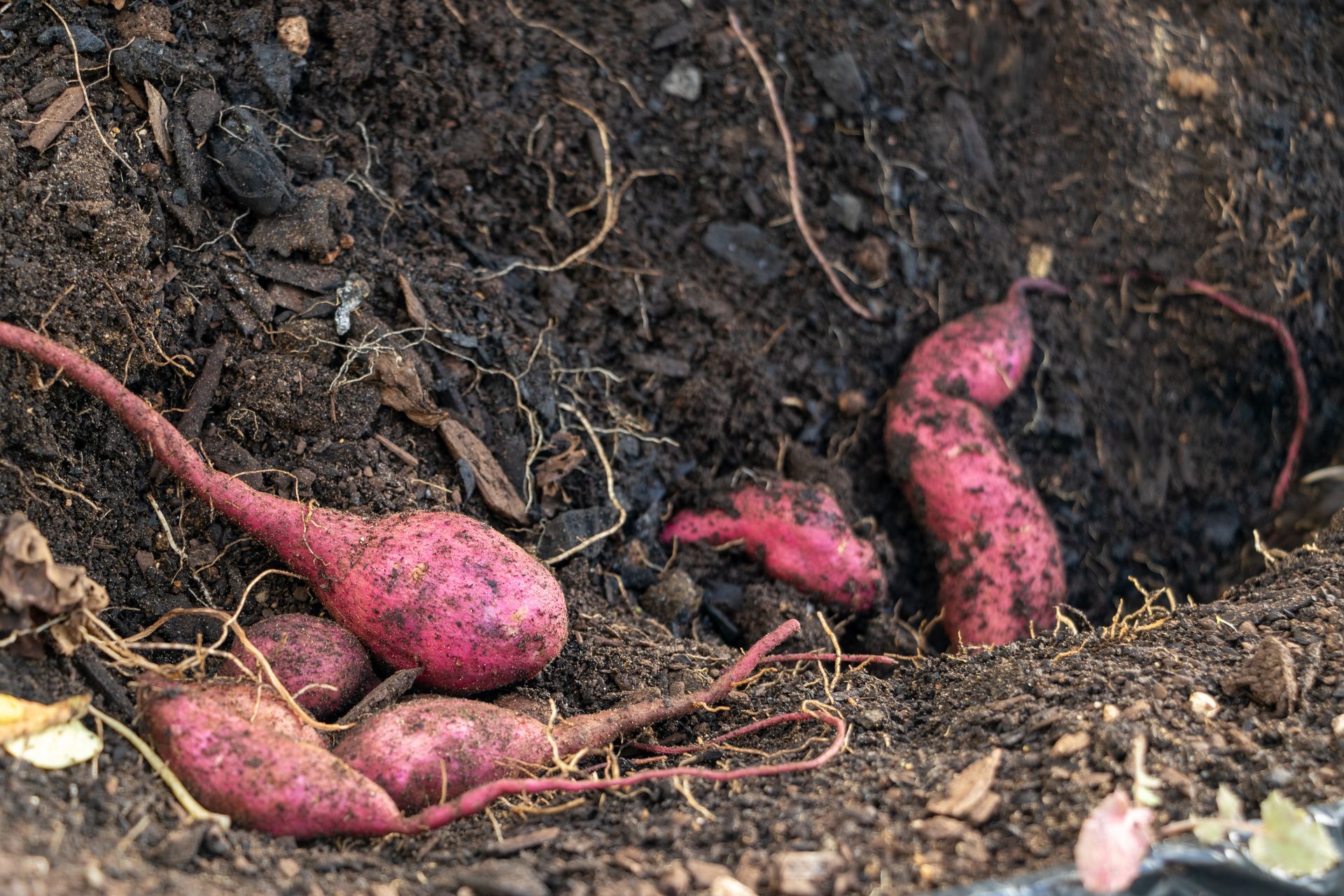
According to the maramataka Māori, the signs were clear. The moon phase was Māwharu, a time associated with harvesting kūmara when they are believed to be at their fullest and largest. Yet as Chris recalls, the morning did not initially look promising.
“I thought the sun wasn’t going to show itself,” he says with a laugh. But by the time he arrived at Te Wānanga o Raukawa, the skies had cleared. “The day hasn’t happened until the sun has arrived.”
For Te Whare Manaaki Whenua, this was more than the harvesting of kūmara. It was the continuation of a significant whakatupu mātauranga project exploring the environmental knowledge systems of our tūpuna, scientifically observing the impact of biochar, known traditionally as konga, on soil health, nutrient retention, plant behaviour and crop growth.
What the results are beginning to show is profound.
The practices developed by our tūpuna through generations of observation were not simply cultural traditions. They were highly sophisticated environmental sciences grounded in intimate relationships with whenua, maramataka, soil systems and the behaviour of living ecosystems.
And in many cases, modern science is only now beginning to understand what our tūpuna already knew.
Chris, nō Ngāti Hinerangi, was the first graduate of Pūtaiao studies at Te Wānanga o Raukawa. Beginning his studies in 2006, his pathway into pūtaiao was shaped by the experiences of his iwi during Treaty settlement and environmental negotiations in the Matamata region.
“It was just a call from the iwi,” he says.
Wanting to better understand whenua, environmental systems and the long-term impacts of land use on Māori communities, Chris was drawn toward studying pūtaiao through a kaupapa Māori lens.
Over the years, his learning journey at Te Wānanga o Raukawa expanded into teaching within the Pūtaiao programme and beyond pūtaiao into other areas of mātauranga Māori including whakairo.
Today, that knowledge continues to play a part of the mahi he does within the Whare Manaaki Whenua team.
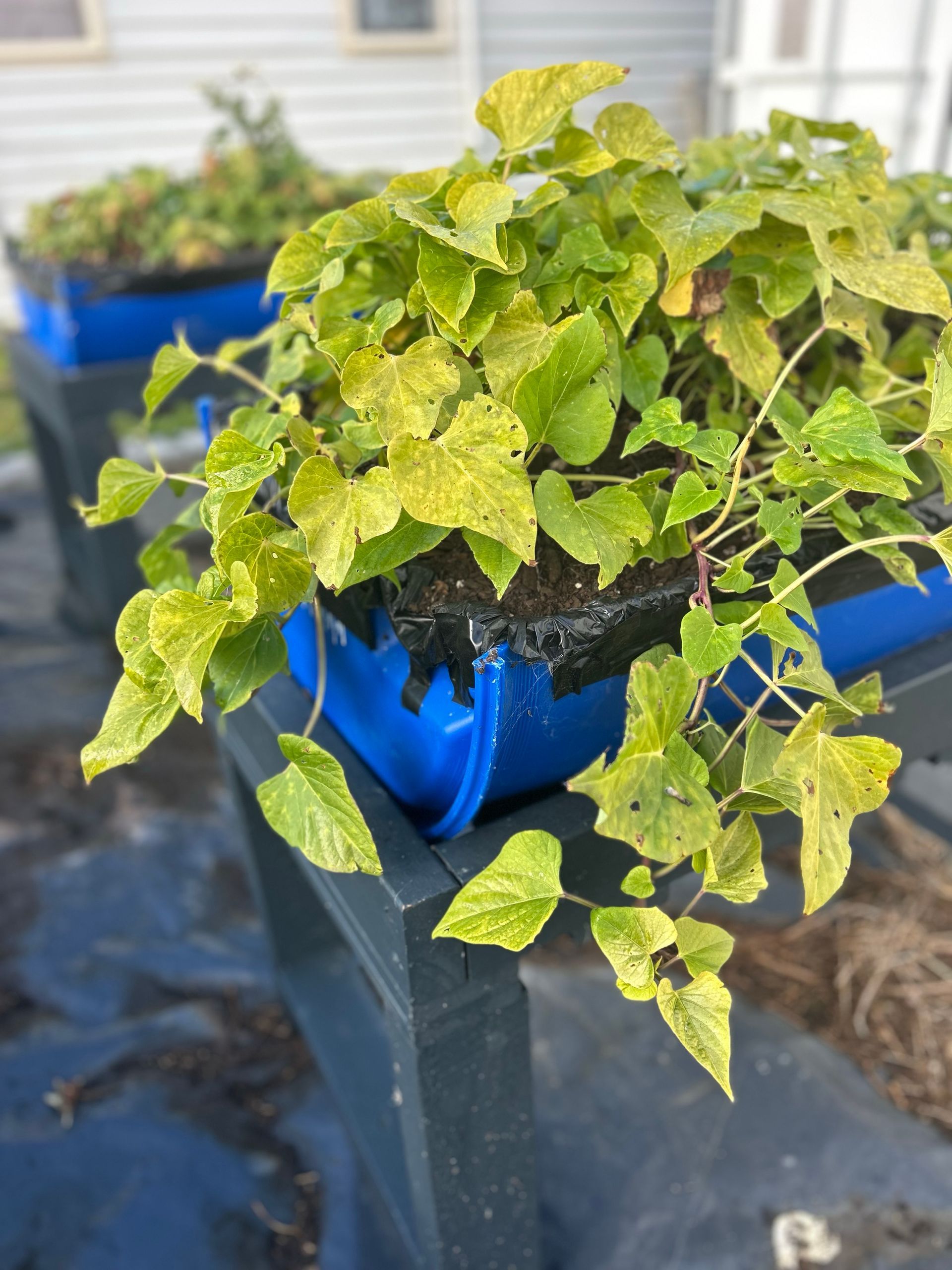
The māra project began in November 2025, almost two months later than ideal planting conditions. Even so, the results surprised the team.
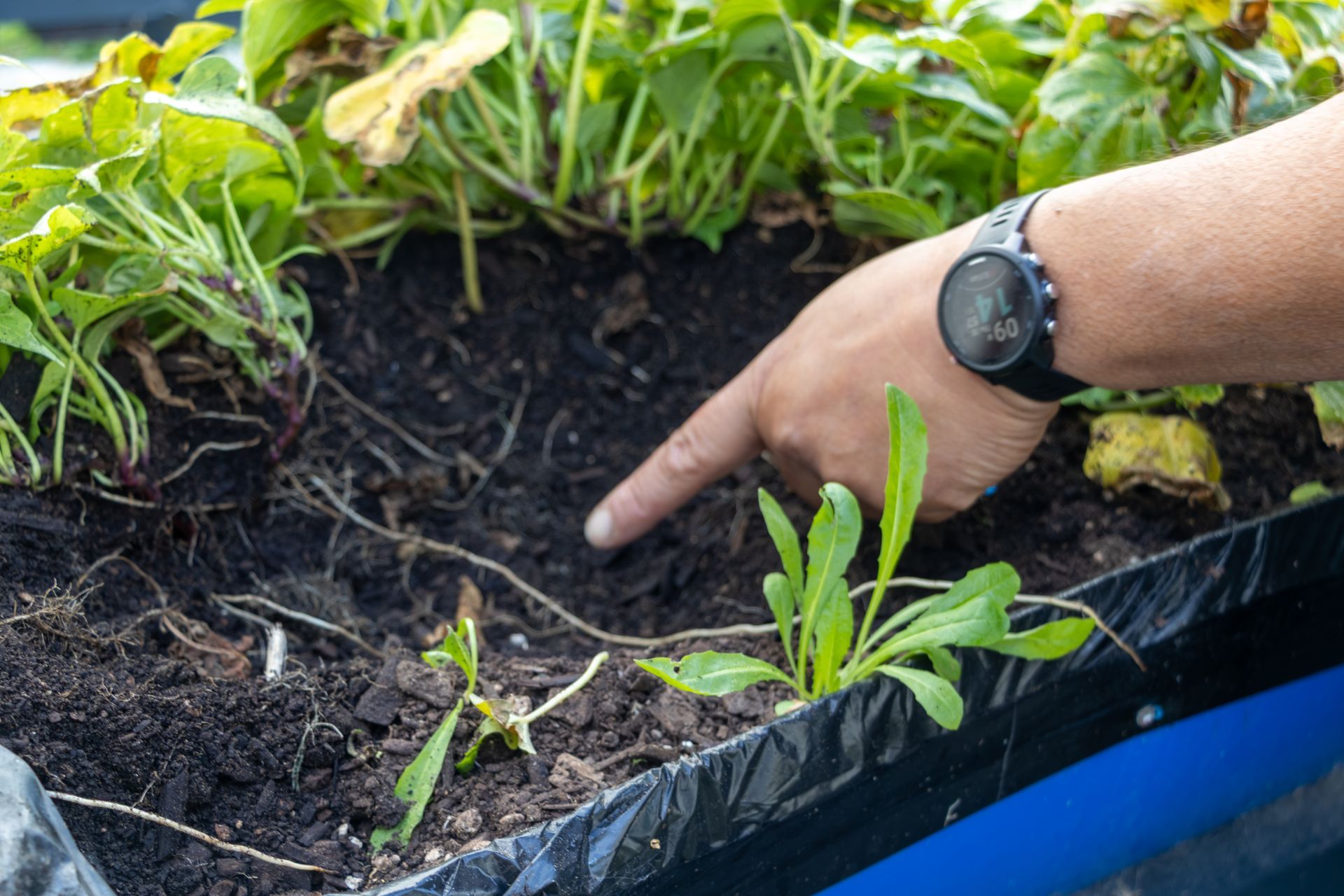
The kūmara beds were intentionally layered using soil, activated biochar, unactivated biochar and natural growing mediums to observe how the tipu responded under different conditions.
“The tipu actively searched for the biochar layers,” Chris explains.
For him, the findings reinforced the deep environmental understanding held by tūpuna.
“If they’re a root-loving plant, then you want to keep the kai as low as you can. No doubt that’s where they were heading to. And that just proved it.”
Historically, Māori used konga, charcoal and organic burn-off remnants often gathered from hāngī and controlled fires, as part of soil systems and cultivation practices. While contemporary science is increasingly exploring biochar for soil regeneration and water retention, this project points toward the likelihood that Māori had already developed sophisticated understandings of these relationships generations ago.
“This mahi has shown that this is exactly what our tūpuna had done,” Chris says. “They had an intimate knowledge of planting and harvesting.”
The maramataka itself also proved remarkably accurate.
Chris explains that kūmara respond differently to potatoes, with harvest timing influenced by lunar phases, gravitational pull, moisture and energy cycles within the soil.
“One thing I’ve found is that kūmara are quite different to potatoes,” he says. “Potatoes need the energy during the dark phase when there is no moon at all because the gravitational pull draws everything into the ground.”
“Kūmara are different. We harvest them about 12 days after the new moon. It’s surprising how the maramataka works. Within a short period, about seven days, they can go from small to quite large. This phase is when they’re usually at their biggest.”
For Chris, the deeper lesson lies not only in the scientific observations, but in what they reveal about the sophistication of Māori knowledge systems.
“I think it comes down to certainty,” he reflects. “If you were the tohunga of your hapū, everything relied on you and the rangatira to ensure things happened at the right time.”
That knowledge, he says, was intergenerational. Whānau carried specialised understandings of cultivation, harvesting, fishing, carving and weaving, passed carefully from one generation to the next.
Even though the project has been approached scientifically, Chris says the foundations remain grounded in mātauranga Māori.
“We still applied the basics of mātauranga Māori, working with the sun and natural cycles.”
For Te Wānanga o Raukawa, the significance of the project reaches far beyond the māra itself. This is living mātauranga.
It is whenua-based research grounded in kaupapa Māori. It is the scientific observation of ancestral knowledge systems that have sustained Māori communities for generations. And it is evidence that mātauranga Māori has always carried deep intellectual, environmental and scientific value.
At Te Wānanga o Raukawa, that knowledge is not being rediscovered.
It is being remembered.
For more information about studying Pūtaiao, visit Heke Kaitiakitanga Pūtaiao.
